
Spencer Pratt's Bold Mayoral Message on Homelessness
Spencer Pratt's mayoral message emphasizes that Los Angeles cannot normalize street addiction and homelessness. He advocates for comprehensive recovery solutions beyond temporary fixes like tents and slogans.
FEATUREDADDICTION RECOVERYLA MAYORAL ELECTION

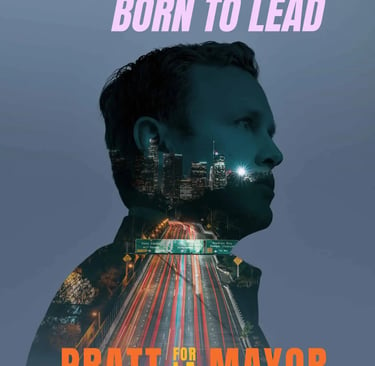
A heated debate over how to confront homelessness and addiction in Los Angeles has been reignited by reality television personality Spencer Pratt, whose push for mandatory addiction treatment for people living on the streets has drawn both praise and sharp criticism. His proposals on homelessness, recovery, and involuntary treatment have resonated with residents tired of encampments and open-air drug use, aligning him with those who argue that expanding access to substance use treatment — including, in some cases, compelled treatment — is central to any serious solution. Yet experts on homelessness policy and addiction recovery warn that the path from substance use to lasting sobriety is far more complex than any campaign sound bite might suggest.
Spencer Pratt’s personal connection to addiction and recovery
Pratt, best known from “The Hills,” has used his platform to argue that voluntary services alone cannot meet the scale of Los Angeles’s homelessness and addiction crisis. He also has a personal window into substance use and recovery: his sister Stephanie Pratt, a fellow reality television personality, has spoken publicly about her struggles with drugs and alcohol, including multiple arrests and a stay in rehab in her twenties. That experience, and her later efforts to remain sober, has helped shape Pratt’s view that addiction treatment can be life-changing when it is accessible, sustained and supported by family.
In recent interviews and campaign materials, Pratt has called for a more assertive use of court-ordered or involuntary treatment for homeless individuals with severe addiction, arguing that many people living with substance use disorders are too impaired or unstable to seek help on their own. His stance mirrors a broader shift among some policymakers and voters who, after years of rising homelessness and public drug use in Los Angeles, are rethinking approaches grounded largely in voluntary care and harm reduction.
Early intervention on DUI before homelessness
In that sense, Pratt’s emphasis that more people with serious addiction need treatment rather than neglect echoes what many clinicians and policy advocates say about the scale of unmet need in Los Angeles and other cities. Where many of those same experts would push the argument further is on timing: they contend that the most effective addiction intervention often comes earlier in the trajectory, before repeated substance use results in job loss, family breakdown, criminal cases and, ultimately, homelessness.
Advocates have floated one proposed reform model focused on repeat DUI offenders, whose repeated drunk-driving arrests can signal a deeper alcohol or substance use disorder rather than an isolated lapse in judgment. Los Angeles County already operates multiple-offender DUI programs and intensive outpatient treatment, suggesting that a more structured, health-oriented response could be built around those touchpoints to prevent future homelessness.
Under that proposed framework, a second DUI in Los Angeles could be addressed through mandatory participation in a 90-day intensive outpatient program, paired with close monitoring and recovery support. A third DUI could trigger a more serious intervention: 90 days of inpatient rehab, followed by 60 days in sober living and 30 days of intensive outpatient treatment to help stabilize recovery after discharge. The idea is not a description of current Los Angeles DUI law, but a reform concept aimed at intervening before addiction leads to deeper personal and social collapse. Any such DUI-based intervention framework would require legislative action and would operate alongside existing criminal penalties such as fines, license suspension, DUI education programs, and potential jail time.
There is also a practical reason to act at that point in the DUI process. Many repeat DUI offenders are still employed or insured and may have private coverage, employer-sponsored benefits or public insurance that can pay for a significant share of drug and alcohol treatment, including residential rehab and intensive outpatient programs. Under federal health law, mental health and substance use disorder services are classified as essential health benefits, although the scope of coverage varies by plan. Using those benefits before addiction contributes to job loss and homelessness, advocates argue, could make intensive addiction treatment more feasible and cost-effective.
The logic is straightforward: multiple DUIs often reflect an untreated addiction, and untreated addiction can, in turn, drive housing loss, unemployment, and eventual street homelessness. Intervening earlier — when a pattern of drunk driving and substance use is already visible but before someone lands on the street — could shift the system from late-stage crisis response to structured prevention, provided that any mandated care is followed by longer-term support.
Limits of forced addiction treatment
Even those sympathetic to Pratt’s call for stronger intervention caution that forced addiction treatment has clear limits. Court-mandated rehab and involuntary treatment can sometimes interrupt an immediate crisis, but specialists in addiction medicine and behavioral health say they rarely produce lasting recovery on their own and often do not lead to positive long-term outcomes. Tracking people after discharge is difficult, and many who cycle through court-ordered or mandatory programs continue to use drugs or alcohol, underscoring how fragile early gains can be.
Recovery from substance use disorders, they note, is almost never accomplished through a single step — and cannot be sustained through coercion alone. In the long run, many clinicians say, recovery tends to work best when it evolves into something voluntary, with the person choosing to remain engaged in treatment, housing and support services over time. Instead of a one-off forced intervention, they describe effective recovery as a structured continuum that offers different levels of care as needs change, and that people can re-enter without being punished for relapse.
Many clinicians liken that recovery continuum to treatment for serious illnesses such as cancer: not a single procedure, but a long course of care, monitoring and adjustment that can stretch over years. Relapse or recurrence, in both cancer treatment and addiction recovery, does not necessarily mean treatment has failed; it is often a signal to reassess and adjust the plan rather than abandon care altogether.
How the addiction-treatment continuum works for people at risk of homelessness
In practice, the addiction-treatment continuum typically begins with medically supervised detoxification and inpatient rehab, where individuals receive stabilization, therapy and initial support in a controlled setting. From there, patients may move into sober living or other forms of supportive housing, which provide structure, accountability and peer support during a period when the risk of relapse remains high — a critical phase for people on the edge of homelessness.
Equally important are intensive outpatient programs, or IOP, which allow people to continue receiving therapy, counseling and relapse-prevention education while returning, gradually, to work, family and community life. These IOP programs often run for weeks or months and are frequently paired with case management and mental health services to address co-occurring conditions such as depression, anxiety or trauma.
Clinicians and recovery advocates emphasize that what happens after formal treatment ends is often decisive for whether someone stays housed or falls into homelessness. Employment services, community-based organizations, peer recovery groups and stable housing are routinely identified as key to helping people rebuild their lives and maintain sobriety over the long term. Without those supports, people who complete rehab or outpatient programs can quickly find themselves back in the circumstances that fueled their substance use — and in some cases, pushed them onto the street.
Fentanyl, overdose deaths and pressure for a new homelessness strategy
Pratt’s focus on addiction treatment comes amid widespread anxiety about the toll of fentanyl and other synthetic drugs in Los Angeles. In recent years, fentanyl has become Los Angeles County’s deadliest drug, and overdose deaths have climbed sharply, intersecting with the region’s homelessness crisis. County data for 2024 show a notable decline in overall overdose and poisoning deaths, including a steep drop in fatalities involving fentanyl, but the drug remains the leading cause of accidental overdose deaths — a reminder, officials say, that the crisis is far from over.
In response to rising overdose deaths and visible homelessness, some leaders have expanded court-mandated treatment options and backed state-level changes that broaden who can be ordered into care. Pratt’s mayoral campaign has embraced tools such as California’s updated conservatorship laws, arguing that they create a stronger legal pathway for mandatory treatment of people deemed gravely disabled by severe substance use disorders, including many living unsheltered.
Civil liberties concerns and treatment capacity gaps
Civil liberties and disability rights advocates warn that those changes risk eroding due-process protections and could funnel more unhoused people into locked treatment settings without guaranteeing they receive effective, ongoing care. They argue that treating homelessness and addiction primarily through courts, conservatorships and confinement can divert attention and resources away from housing, voluntary treatment and community supports that research suggests are critical to long-term stability. Even some supporters of tougher interventions agree that enforcement alone cannot resolve Los Angeles’s homelessness crisis, and say any expansion of compelled treatment must be matched by a major increase in treatment capacity, supportive housing and recovery services.
That remains a central challenge for Los Angeles’s homelessness and addiction response. County officials have pointed to progress on overdose prevention, yet demand for residential treatment beds, outpatient programs and recovery housing continues to outstrip supply, leaving many residents waiting for services or dropping out of care altogether.
Spencer Pratt’s LA mayoral bid and national implications
The debate over Pratt’s homelessness and recovery proposals underscores a larger tension in California policy: how to balance compassion, personal responsibility, autonomy and public safety in confronting a crisis that spans housing, behavioral health and the criminal legal system. If Spencer Pratt were elected mayor of Los Angeles, his approach to mandatory addiction treatment and early intervention on DUI and substance use would shape far more than city policy. Because Los Angeles is often treated as a proving ground for urban homelessness strategies, any high-profile success or failure here could influence how other cities think about addiction treatment for the homeless, street encampments and the balance between coercion and care.
Pratt’s hard-line, recovery-focused message has reshaped the Los Angeles mayor’s race debate and forced a more direct conversation about addiction as a driver of homelessness. Whether his ideas ultimately serve as a model for Los Angeles — and perhaps, in time, for other cities grappling with homelessness and addiction — will depend less on campaign rhetoric than on the unglamorous details of governance: the availability of treatment beds, the expansion of long-term housing, sustained funding and a system capable of supporting people through every stage of recovery.
Adam Loew is an advocate based in Simi Valley, California, who writes about recovery, homelessness, behavioral health, public corruption and government policy.
The American Federalist is the Official Publication of The Freedom Project © 2026
The American Federalist empowers the generation of tomorrow for a brighter future and hope for every individual.
We are telling America's Story
Subscribe to our newsletter and never miss a story.
We care about your data in our privacy policy.